Skip to content

Seller guide

Selling a Conservation Easement or Land to a Land Trust

Updated November 21, 2026

Explore Selling Options
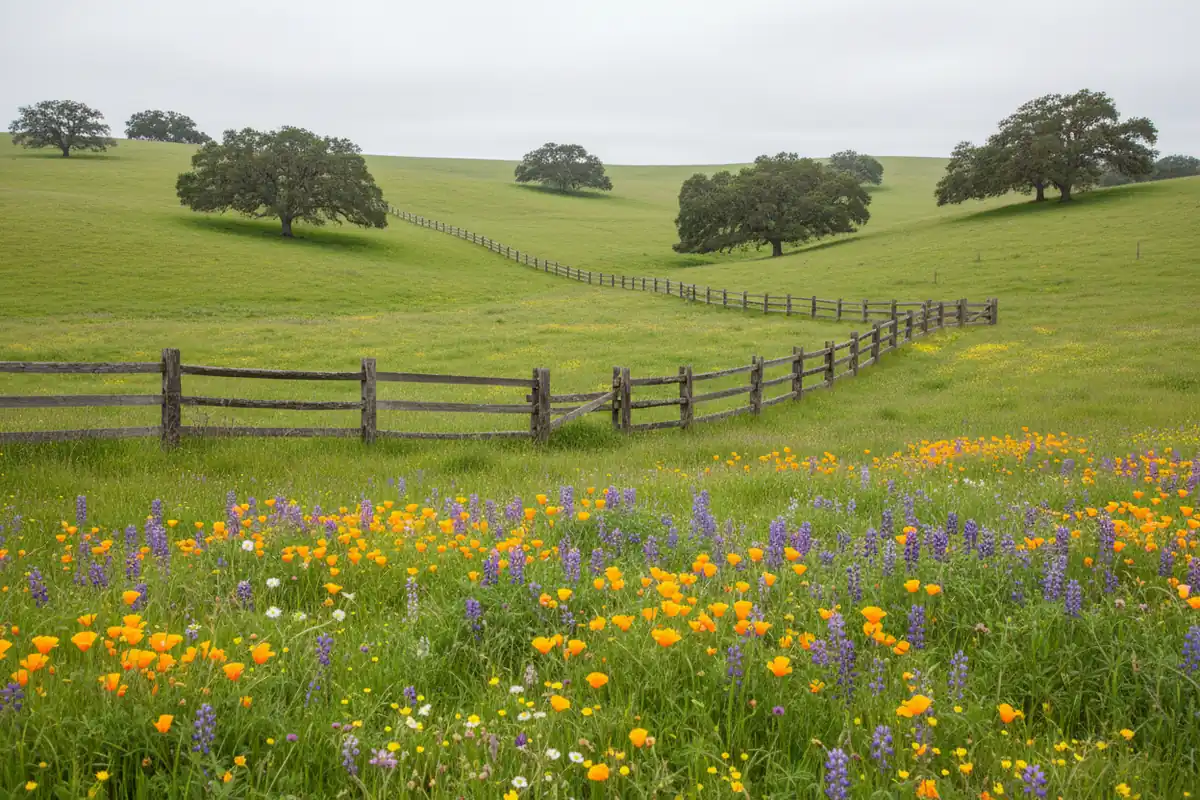
Oak-dotted grassland with wildflowers, the kind of open land a trust may protect.
Immediate answer

A California conservation easement is a perpetual, recorded limit on land use. Who may hold one, how it is sold or donated, and how a land trust sale differs.

On this page
  1. What It Means for Owners: What Is a Conservation Easement?
  2. Who It Affects: Who Can Hold the Easement and Who Is Bound by It
  3. Rules, Disclosures and Fine Print: How a Sale or Donation Works
  4. Valuation, Documentation and Monitoring
  5. Options and Trade-offs: Which Route Fits This Parcel?
  6. Mistakes to Avoid When an Easement Is Proposed
  7. What to Do Next With a Proposed Easement or Trust Offer
  8. Frequently asked questions
  9. Sources

A California landowner has three conservation routes. The owner can sell a conservation easement, donate one, or sell the land outright to a land trust. An easement is a permanent, recorded limit on how the land may be used. The owner keeps title and the holder enforces the limit. A sale to a land trust transfers the land itself.

This owner may hold a family ranch, a stand of timber, an orchard or a stretch of open hillside. A land trust may have reached out, or a neighbor may have mentioned an easement. The owner now wants to know what signing would give up, whether money or a tax deduction comes back, and what it would mean for the next person who owns the parcel. The answers turn on the parcel's access, zoning and current use, and on what the easement document itself says.

What It Means for Owners: What Is a Conservation Easement?

California defines the instrument in Civil Code section 815.1. A conservation easement is "any limitation in a deed, will, or other instrument in the form of an easement, restriction, covenant, or condition" that is executed by or on behalf of the owner, "is binding upon successive owners of such land," and has the purpose "to retain land predominantly in its natural, scenic, historical, agricultural, forested, or open-space condition." In plain terms, it is a written promise about how the land will be used. That promise stays with the land and passes to every future owner.

Civil Code section 815.2 adds four points. The easement is an interest in real property, "voluntarily created and freely transferable in whole or in part." It "shall be perpetual in duration." It is not personal in nature, even though it may be "negative in character." Its particular terms are "those granted or specified in the instrument creating or transferring the easement."

For the owner, this means the easement is not a sale of the land. The owner keeps title, which is legal ownership. The holder gains the right to enforce the restrictions the document sets out, and a later sale of the land carries those restrictions to the buyer.

Who It Affects: Who Can Hold the Easement and Who Is Bound by It

Civil Code section 815.3 names the only entities or organizations that "may acquire and hold conservation easements." There are three groups.

The first is qualified nonprofits, which is where most land trusts fit. These are tax-exempt organizations qualified under Section 501(c)(3) of the Internal Revenue Code and qualified to do business in California, whose primary purpose is preserving, protecting or enhancing land in its natural, scenic, historical, agricultural, forested or open-space condition or use.

The second is public entities: the state or any city, county, city and county, district, or other state or local governmental entity. Such an entity qualifies only if it is otherwise authorized to acquire and hold title to real property and the easement is voluntarily conveyed. The same subdivision says no local governmental entity may condition the issuance of an entitlement for use on the applicant's granting of a conservation easement.

The third is California Native American tribes. This covers a federally recognized tribe, or a nonfederally recognized tribe on the Native American Heritage Commission's contact list, acting to protect a prehistoric, archaeological, cultural, spiritual or ceremonial place, if the easement is voluntarily conveyed.

Civil Code section 815 states the Legislature's policy "to encourage the voluntary conveyance of conservation easements to qualified nonprofit organizations." For the owner, the holder's qualification matters. An organization outside the section 815.3 list is not one of the entities that may hold a conservation easement under that statute. The restriction also reaches beyond the person who signs it: heirs, co-owners who later take title, and any future buyer are all bound.

Rules, Disclosures and Fine Print: How a Sale or Donation Works

The transfer rules come from Civil Code section 815.2. Because the easement is "freely transferable," an owner can convey it to a qualified holder "by any lawful method for the transfer of interests in real property." The two common methods are a sale and a donation.

Selling an easement. The holder pays the owner for the rights the easement removes. Examples include the right to subdivide, to build, or to convert farmland to another use. The price is negotiated. It is driven by which rights are given up and what those rights were worth on that parcel.

Donating an easement. The IRS Conservation easements page says Congress "allowed an income tax deduction for owners of property who give up certain rights of ownership to preserve their land or buildings for future generations." The same page says a legitimate easement "often reflects long-standing ownership, an accurate and property-specific valuation, and compliance with the rules governing qualified conservation contributions." It also notes that some taxpayers claim deductions "when they are not entitled to any deduction at all." Whether a deduction applies, and how large it is, depends on the owner's facts. A CPA, an enrolled agent or a tax attorney reviews that question.

State grants for farmland. The California Department of Conservation's California Farmland Conservancy Program page describes a statewide grant program that "supports local efforts to establish agricultural conservation easements." It offers grants "to protect agricultural lands under threat of conversion to nonagricultural uses through the acquisition of voluntary, permanent agricultural conservation easements." Its eligible applicants are the same three groups that Civil Code section 815.3 allows to hold conservation easements. The application materials include an Applicant-Landowner Letter of Intent.

Valuation, Documentation and Monitoring

In an easement transaction, value is often where the risk sits. The IRS page ties a legitimate easement to "an accurate and property-specific valuation," and it describes courts disallowing deductions built on overstated valuations. In plain terms, the number attached to the easement, whether it is a sale price or a claimed deduction, depends on what the specific rights given up were worth on that specific parcel.

The appraisal. A valuation that rests on uses the land could not support, or on rights the owner did not have, is the pattern the IRS describes as a problem. The IRS page also refers to "the rules governing qualified conservation contributions" without setting them out. Those federal rules, including what an appraisal supporting a deduction must contain and who may prepare it, are outside what this article's sources describe. That is why a value question belongs to an appraiser, and the requirements for supporting a deduction to a tax professional.

The fine print also shapes a later sale. Building a home, dividing the parcel or changing crops depends on the document's terms. A future buyer takes the land subject to those limits, so the parcel's market value reflects the restriction. Changing or ending a perpetual easement is not something the owner can do alone. The holder's role and the document's terms shape any change, and a contested change is a legal matter handled by an attorney.

Options and Trade-offs: Which Route Fits This Parcel?

Each route trades something for something else.

RouteWho holds title afterwardWhat the owner receivesWhat the owner gives up
Donate an easementThe ownerA possible federal deduction, depending on the factsRestricted rights, permanently
Sell an easementThe ownerA negotiated paymentRestricted rights, permanently
Sell the land to a land trustThe land trustA negotiated priceThe whole parcel
Keep the land unrestrictedThe ownerFull flexibilityAny conservation payment or deduction

A sale of the land outright to a land trust differs from an easement because the seller no longer owns anything to restrict. The trust typically holds or manages the land for conservation. The tax treatment of a sale differs from that of a donated easement.

A direct sale to a trust has its own trade-off. The trust's price may reflect conservation value rather than what the open market would pay. In exchange, the seller deals with one buyer, holds no showings, and carries no continuing restriction afterward.

Comparing written offers and estimated net proceeds shows how each route fits. Net proceeds are the price less commissions, survey and closing costs, and any loan payoff. The right answer depends on the owner's goals, the land's characteristics, and the tax and legal rules that apply to the facts.

Mistakes to Avoid When an Easement Is Proposed

Beyond the valuation concerns above, the IRS page describes a specific pattern in syndicated conservation easement deals: "promoter-driven structuring, inflated valuations, and promised deductions that far outstrip the economics of the investment." It says courts "have repeatedly disallowed these deductions" and "have upheld substantial penalties." A pitch built around the size of a tax deduction, rather than the land itself, matches that pattern.

A second risk is donating rights the owner does not have. "A taxpayer cannot donate rights they do not have." If zoning or other rules already bar the use being "given up," the deduction may be disallowed.

Two other mistakes are reading only a summary instead of the full easement document, and treating a land trust's price as an appraisal of open-market value.

What to Do Next With a Proposed Easement or Trust Offer

The proposed easement deed or the trust's purchase agreement is the document that decides most of these questions. It shows which uses survive, who may inspect the land, and what the price reflects. A preliminary title report on the parcel shows any easements already recorded. Asking the holder to confirm its section 815.3 qualification, and what it intends to do with the land, rounds out the picture.

Seller questionnaire

Curious what your options are? Start with six short questions.

Answer six short questions about your land — type, acreage, location, access, timeline — to explore your selling options.

Seller guides

  1. Understand value

    Access, water, soils, zoning and entitlements shape what buyers will pay.

  2. Match the right buyer

    A ranch buyer and a homebuilder value the same acres differently.

  3. Local context

    County rules matter. See our California and San Diego County guides.

Explore Selling Options
What type of land are you selling?
Approximately how many acres?

Where is the property?

How is the property accessed?
Utilities available (select all that apply)
When would you like to sell?

How can we reach you?

See our Privacy Policy and Terms.

Testimonials

The parcel had access questions and no utilities. I appreciated an offer that accounted for that.

M.K., Minneapolis, MN

Explore your selling options

Answer a few questions about your parcel.

Start the questionnaire

Frequently asked questions

What does it mean when a property is under a conservation easement?

The land carries a permanent limit on its use that the holder can enforce. The owner still owns the parcel, pays for it and can sell it. Anyone who buys it takes it with the same limits.

Do landowners get paid for conservation easements?

Some do, and some do not. A sale brings a negotiated payment. A donation brings no cash, though it may support a federal deduction. Grant programs such as the California Farmland Conservancy Program fund qualified organizations, which then acquire agricultural easements.

Who pays the property taxes on land under a conservation easement?

The owner keeps title, so the tax bill generally stays with the owner. How a restricted parcel is assessed is a question for the county assessor's office where the land sits.

How hard is it to get out of a conservation easement?

It is designed to be hard. Civil Code section 815.2 makes the easement perpetual, so it does not lapse with time or a change of owner. Any change runs through the holder and the document's terms. A dispute over a change is a matter for an attorney.

Can you build a house on land under a conservation easement?

Only if the easement document allows it. Some easements reserve a homesite and others bar new structures. No general rule replaces the document's own terms.

What are the tax benefits of a conservation easement?

A donated easement may qualify for the federal income tax deduction the IRS describes. The IRS also warns that inflated appraisals and noncompliance lead to disallowed deductions and penalties. A tax professional reviews whether it applies to a specific owner.

What is the California Farmland Conservancy Program?

It is a Department of Conservation grant program for agricultural conservation easements and land improvement projects. Nonprofits, public entities and tribes apply for the grants. A landowner takes part through a letter of intent included with the application.

What is the difference between selling a conservation easement and selling land to a land trust?

The difference is ownership. After selling an easement, the seller still owns restricted land. After selling the land, the seller owns nothing there, and the trust decides its future.

Sources

Statutes, regulations and court sources

  1. 01California Civil Code section 815 · California Legislative Information
  2. 02California Civil Code section 815.1 · California Legislative Information
  3. 03California Civil Code section 815.2 · California Legislative Information
  4. 04California Civil Code section 815.3 · California Legislative Information

Other sources

  1. 05Internal Revenue Service: Conservation easements · irs.gov
  2. 06California Department of Conservation: California Farmland Conservancy Program · conservation.ca.gov