Skip to content

Seller guide

Selling Landlocked Land

Updated November 21, 2026

Explore Selling Options
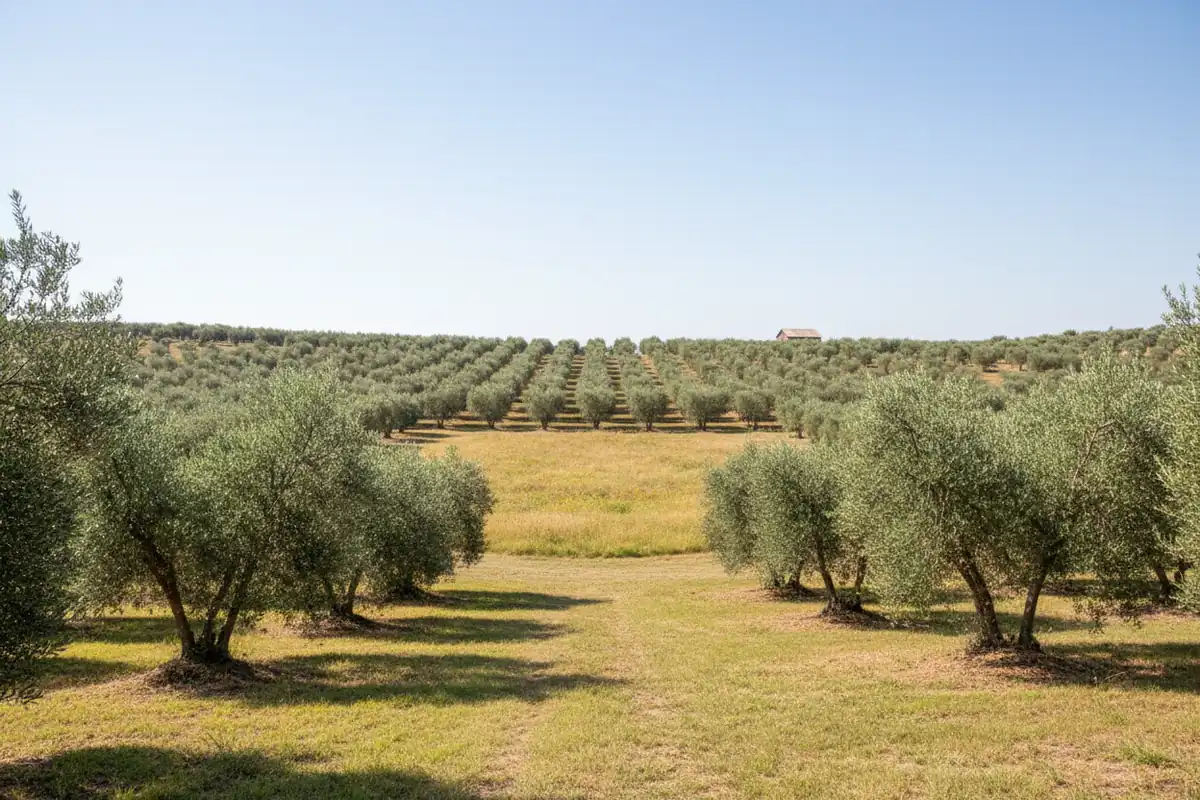
A meadow ringed by olive orchards and reached by footpath, land without road access.
Immediate answer

How California treats a parcel with no recorded road access: easements under Civil Code 801 and 1104, prescription, road upkeep under 845, and title coverage.

On this page
  1. What It Means for Owners of Landlocked Land
  2. Who It Affects: Owners of Parcels Without Recorded Access
  3. Rules, Disclosures and Fine Print
  4. Options and Trade-offs
  5. Mistakes to Avoid
  6. What to Do Next With a Landlocked Parcel
  7. Frequently asked questions
  8. Sources

A California parcel with no recorded legal access to a public road can still be sold. Buyers, lenders and title insurers will ask how anyone legally reaches the land. An owner can answer that question in one of three ways. The owner can document an existing easement, negotiate and record a new one, or sell the parcel as it is to a buyer who accepts the access risk.

The owner reading this holds land in California, alone or with others. It may be vacant acreage, a farm or ranch parcel, timberland, a recreational tract, or a remnant lot. Reaching it means crossing someone else's ground. That crossing may have worked quietly for years, through a neighbor's gate or an old ranch track. The owner now wants a sale and needs to know whether that path counts. The core idea is the easement: a legal right that one parcel holds over another. This guide explains how easements work for access, what a buyer will check, and what the choices look like.

What It Means for Owners of Landlocked Land

A landlocked parcel is one with no recorded legal access to a public road. It is surrounded by land that other people own, and no deed or recorded document gives it a path out.

Physical access and legal access are different things. A dirt road may run to the property, and a neighbor may have waved the owner through for decades. If nothing about that path is recorded, a buyer's title search will not find it. Informal permission belongs to the neighbor and can end when the neighbor sells or changes their mind.

The legal tool that solves the problem is an easement. The parcel that benefits from it is said to hold the easement over the parcel it crosses. The most common form for access is a right-of-way, which is a right to pass over another person's land. Civil Code section 801 lists the servitudes that may be attached to land as easements. A servitude is a burden placed on one piece of land for the benefit of another. "The right-of-way" is on that list. For the owner, this means a right-of-way is a recognized property interest under California law, not just a neighborly habit.

Recorded access matters at a sale because other parties check it. A buyer's lender and the buyer's title insurer will both look for it. When it is missing, financing becomes harder and title coverage becomes a question to resolve.

Who It Affects: Owners of Parcels Without Recorded Access

Landlocked status shows up most often in a few kinds of property:

  • rural vacant land
  • agricultural parcels
  • timberland
  • recreational parcels
  • remnant lots left over from older subdivisions

These parcels share a pattern. Ownership was split over time, or roads were never formally laid out, so access ended up resting on custom. An inherited parcel can carry the same gap, because heirs often know the path but not the paperwork behind it.

A buyer will treat lack of access as a material fact. This is true of an individual buyer, a developer, or a land investor. A buyer generally wants evidence of legal access before closing.

Title insurance is where that evidence gets tested. The California Department of Insurance's Title Insurance consumer guide describes two basic types of owner's policies. A standard policy insures primarily against defects discoverable in the public record. The guide says that includes "defects due to lack of access to an open street." An extended policy generally gives the same coverage. It also insures against easements, encroachments and boundary conflicts that are not in the public records. The guide adds that the insurer "will typically require a survey" for an extended policy. For an owner, this means the buyer's title company will look hard at access, and the details depend on the policy and endorsements chosen.

A survey shows where an access route actually lies. The Board for Professional Engineers, Land Surveyors, and Geologists' A Guide for Consumers says land surveyors perform work that includes retracing property lines. That work also includes locating or retracing the boundary of "any parcel of land, right-of-way, easement."

Rules, Disclosures and Fine Print

Four Civil Code sections shape how access works when landlocked land changes hands. How they apply to one parcel depends on its facts: the deeds, the recorded documents, how the land was divided, and how the path has been used.

What can be an easement. Civil Code section 801, introduced above, names eighteen servitudes. Among them are the right of pasture, the right of fishing, the right of taking game, and the right-of-way. The list also includes "the right of taking water, wood, minerals, and other things" and "the right of receiving water from or discharging the same upon land." The rest of the list continues through items such as flooding, party walls, burial, and sunlight. For a landlocked owner, this means access and water arrangements can both run with land. Water rights in general raise further questions that are beyond this page.

Easements pass with the land. Civil Code section 1104 says "a transfer of real property passes all easements attached thereto." It also creates an easement over the seller's other land. That easement is "in the same manner and to the same extent" as that land "was obviously and permanently used" for the parcel's benefit "at the time when the transfer was agreed upon or completed." In plain terms, an easement attached to the landlocked parcel goes to the buyer with the deed, without a separate assignment. The same rule matters when a parcel became landlocked because a larger holding was divided: how the seller's other land was used at the time of the transfer can bear on what access the parcel carries.

Title by prescription. Civil Code section 1007 says occupancy for the period the Code of Civil Procedure sets as enough to bar a recovery action "confers a title thereto, denominated a title by prescription." There is an exception. Possession of property dedicated to public use by a public utility, or dedicated to or owned by the state or any public entity, "shall ever ripen" into no title, interest or right against its owner. For an owner, this means long use across public land creates no right. Long use across private land is a claim that, if disputed, a court decides. The length of use required is set in the Code of Civil Procedure rather than in section 1007 itself. A claim of that kind is not the same as a recorded easement a title company can insure at closing.

Upkeep of a private road. Under Civil Code section 845, the owner of a private right-of-way easement, or of land it is attached to, "shall maintain it in repair." When several owners share it, they split the cost under any agreement they have made. Without an agreement, they share it "proportionately to the use made of the easement by each owner." The statute also covers snow removal under an agreement in certain conditions, and it excludes railroad rights-of-way. For a seller, this means a buyer will ask who maintains the road and how the cost is split.

Disclosure. California law generally expects a seller to disclose known material facts about a property. Lack of recorded access is the kind of fact a buyer considers material. Title, easement and disclosure questions go to an attorney, who can read the actual documents and assess whether any other access theory may apply to a particular parcel.

Options and Trade-offs

Each path below solves a different version of the access problem, and each has a cost in time, money or price.

Negotiate and record an express easement. An express easement is one granted in writing. The owner and a neighboring owner sign an agreement describing the route. The document is then recorded with the county recorder. This settles the access question before a sale and gives the buyer something a title company can examine. The trade-off is that it depends on a willing neighbor and on agreeing to terms, possibly including payment and a road upkeep arrangement.

Confirm an existing recorded easement. A title search and a survey sometimes turn up a right-of-way in an old deed or map that the current owner never knew about. Because Civil Code section 1104 passes attached easements with a transfer, a right found this way already belongs to the parcel. The trade-off is the cost and time of the search and survey, with no assurance that anything turns up.

Pursue a prescriptive easement. This is a court action, not self-help. It rests on the rule in Civil Code section 1007 and on the history of how the path was used. It takes time, the outcome is not assured, and it can strain relations with the neighbor. A dispute of this kind is a separate matter handled by an attorney.

Sell the parcel as it is. A landlocked parcel can be sold without first fixing access, but fewer buyers will consider it. A buyer who pays cash and accepts the parcel as it is takes on the access risk, the cost of resolving it, and the harder resale. For that reason, such an offer is often lower than what the land might bring on the open market with access documented. In exchange, the seller does less preparation, faces fewer contingencies, and depends less on a buyer's loan. Selling as it is does not change the seller's disclosure duties.

Comparing written offers and estimated net proceeds is one way to see which path fits. Net proceeds are the price, less commissions, survey and legal work, carrying costs, any loan payoff, and closing costs. An appraiser can address value, and a tax professional can address the tax side of a sale.

Mistakes to Avoid

Treating permission as an easement. A neighbor's verbal okay is personal and unrecorded. If that neighbor sells, the new owner has no recorded duty to honor it, and a buyer's title search will show no access.

Assuming prescription has already happened. Years of driving a path do not by themselves put a recorded right on title. Under Civil Code section 1007, use never ripens against property dedicated to a public use by a public utility, or dedicated to or owned by the state or any public entity. A contested claim against private land is resolved in court, not by assumption.

Skipping the survey. The route an owner drives may not match the route in a recorded document, and the width may differ. As the Board's consumer guide describes, a land surveyor retraces boundaries of a right-of-way or easement. That is how a gap between belief and record comes to light before closing rather than after.

Leaving access out of the disclosure. Access is a material fact. A buyer who learns later that the recorded route does not exist has grounds to raise the issue against the seller.

Confusing a public road with a private easement. A road maintained by a county or a special district is different from a private right-of-way, which falls under Civil Code section 845. A buyer's title search will tell the two apart.

What to Do Next With a Landlocked Parcel

The access question is usually answered on paper first. The deeds in the chain of title, any recorded easement or road agreement, and any recorded maps show what rights the parcel actually holds. An old title report, if the owner has one, can show the same. Owners of land that has been in the family for a long time often find these papers scattered among relatives, a past escrow file, or a lender's records.

A common starting point is the parcel's recorded documents, beginning with the county recorder's index. With the deed, any recorded easements and a title report in hand, an owner can see whether a right-of-way is described, and where.

Seller questionnaire

Curious what your options are? Start with six short questions.

Answer six short questions about your land — type, acreage, location, access, timeline — to explore your selling options.

Seller guides

  1. Understand value

    Access, water, soils, zoning and entitlements shape what buyers will pay.

  2. Match the right buyer

    A ranch buyer and a homebuilder value the same acres differently.

  3. Local context

    County rules matter. See our California and San Diego County guides.

Explore Selling Options
What type of land are you selling?
Approximately how many acres?

Where is the property?

How is the property accessed?
Utilities available (select all that apply)
When would you like to sell?

How can we reach you?

See our Privacy Policy and Terms.

Testimonials

The parcel had access questions and no utilities. I appreciated an offer that accounted for that.

M.K., Minneapolis, MN

Explore your selling options

Answer a few questions about your parcel.

Start the questionnaire

Frequently asked questions

What is a landlocked property?

It is land with no recorded way out to a public road. The test is the record, not the ground. A well-worn track over a neighbor's field can exist on a parcel that is still landlocked for title and financing purposes.

What is another word for landlocked?

People in title and real estate often say a parcel "lacks legal access." The legal fix is called an easement, and for access it is a right-of-way, one of the servitudes Civil Code section 801 lists.

Is landlocked property worth anything?

Yes. Size, zoning, location, timber, water, and whether a neighbor might grant a route all still matter. The missing access narrows the buyer pool, and buyers factor in the work of solving it. An appraiser can address a specific parcel's value.

Can a landlocked parcel be sold in California?

It can, like other real property. A buyer can take it knowing access is unresolved, or the seller can resolve access first. Either way, the access situation belongs in what the seller tells the buyer.

Does an easement transfer when landlocked land is sold?

An easement already attached to the parcel goes with the deed under Civil Code section 1104. Whether a given route is actually attached depends on the documents and the history of the land, which a title search and an attorney can sort out.

Who is responsible for maintaining a private road easement?

The people who own the easement carry the repair duty under Civil Code section 845, and where several owners share it, the cost is split under any agreement they have made or, absent an agreement, in proportion to each owner's use. In practice, buyers often ask to see a written road maintenance agreement, because it shows how the shared cost has been settled.