
Skip to content
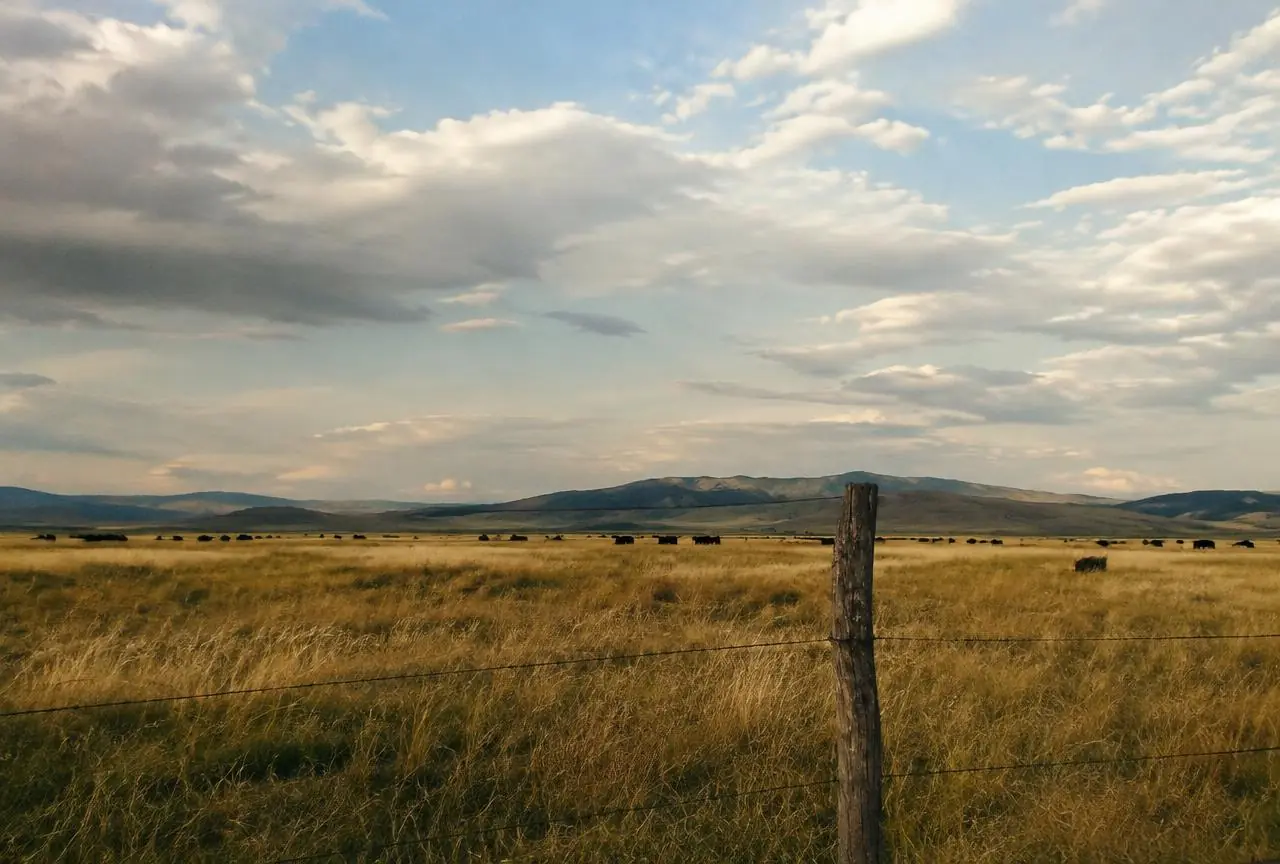
Open grazing ranch land with cattle, a fence post and distant hills

Sell Ranch & Grazing Land

Updated November 21, 2026

Explore Selling Options
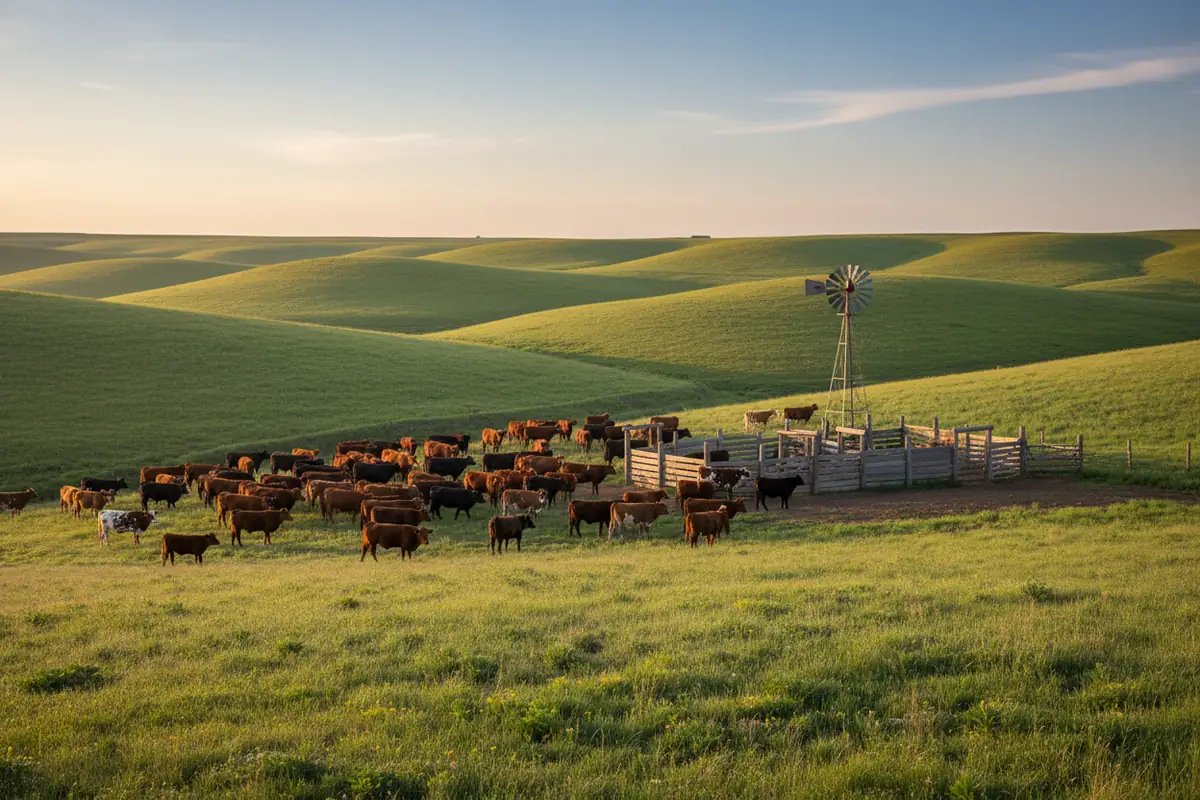
Cattle grazing green spring hills with a corral and windmill on a working ranch.
Immediate answer

How a California ranch sale works: Williamson Act contracts bind buyers, easements pass with the deed, and owners can request a Map Act parcel determination.

On this page
  1. Key Takeaways
  2. What Ranch Buyers Check Before They Make a Decision
  3. How a Williamson Act Contract Affects Your Sale
  4. Easements That Pass With the Land
  5. Legal Parcel Status and the Subdivision Map Act
  6. Your Duty of Care to Recreational Users
  7. Options to Compare When Selling Ranch Land
  8. What to Have Ready Before You List or Negotiate
  9. California Ranch Land: Local Context
  10. Frequently asked questions
  11. Sources

A California ranch can be sold by listing it with a real estate agent, by selling it without an agent, by selling it directly to a buyer who takes it as it is, or by carrying back financing for a buyer. Whichever path an owner takes, the same parcel facts decide the sale: water, legal access, legal parcel status, any Williamson Act contract and how the land has been used.

You own ranch or grazing land in California. It might be a family place, a working cow-calf operation or pasture you have leased out for years, and now you are deciding how to sell it. A ranch buyer looks at the land differently from a house buyer. The questions are about where the stock water comes from, whether the road in is deeded, whether the parcel was lawfully created and what contract or lease already sits on it. This page walks through those facts in the order a buyer tends to check them, then compares the ways a sale can be structured.

Key Takeaways

  • The buyer inherits your contract. A Williamson Act contract does not end when the land changes hands. The new owner steps into it, so the contract's terms shape who will want the land and for what use.
  • A division changes how the contract works. When contracted land is divided, each parcel owner can act on the contract independently, including giving notice of nonrenewal. That matters if you plan to sell only part of the ranch.
  • Your road rights travel with the deed. Easements that benefit the ranch pass to the buyer automatically. Easements that burden it pass too.
  • Parcel status can be settled before a buyer asks. An owner can ask the local agency for a formal compliance determination, which ends in a recorded certificate.
  • Past recreational use is a fact the buyer will want to understand. California limits a landowner's duty to recreational users, but the limit has exceptions tied to fees and invitations.
  • Water rights are often unconfirmed. Riparian and pre-1914 rights may exist without any state permit. According to the State Water Resources Control Board, only a court can confirm them.

What Ranch Buyers Check Before They Make a Decision

Water usually comes first. The State Water Resources Control Board's Water Rights FAQs says that taking water from a lake, river, stream or underground supply for a beneficial use requires a water right of some type under the California Water Code, and that this includes using a small amount of water for commercial livestock watering. The same page says an owner may hold a riparian or a pre-1914 appropriative right without a state permit. Because a buyer will ask what right supports each trough, pond and diversion, any permit, license, registration or filed statement is worth locating early. A water-rights attorney or the State Water Board can address the status of a specific right.

Forage and fencing come next. A buyer assesses the quality of the forage, how many animals the land can carry through the season, and the condition of perimeter and cross fencing, corrals and water lines. These facts, with water and access, drive value, and the price itself is a question for an appraiser.

A buyer will also ask about grazing leases. Whether an existing lease continues after a sale or ends depends on what the lease says, so a buyer will want to read it before closing.

Access is the fourth fact. A buyer looks for a deeded road easement rather than permissive access, which is a neighbor's informal permission that can be withdrawn. A lender cares about the difference for the same reason.

The fifth fact is legal parcel status, covered below.

How a Williamson Act Contract Affects Your Sale

A Williamson Act contract is an agreement between a landowner and a county or city under the California Land Conservation Act of 1965. The California Department of Conservation's Williamson Act Program page says these contracts restrict specific parcels to agricultural or related open space use, and that in return landowners receive property tax assessments "much lower than normal" because they are based on farming and open space uses rather than full market value.

Government Code section 51243 sets two requirements for every contract. It must exclude uses other than agricultural uses and uses compatible with agriculture for as long as the contract runs. And it must bind, and benefit, all successors in interest of the owner. In practice, a buyer who plans to keep running cattle may see the contract as a benefit, while a buyer who wants a different use will see it as a limit.

The same section addresses divided land. When contracted land is split, the owner of each new parcel can use the owner's rights under the original contract on their own, including giving notice of nonrenewal and petitioning for cancellation, and that choice is not imputed to the owners of the other parcels. The section also provides that when a city annexes contracted land, the city generally takes over the county's rights, duties and powers under the contract.

A buyer will ask about the contract's term, whether a notice of nonrenewal has been filed, and what the county's or city's own rules allow, since the Department of Conservation page says participating counties and cities set their own rules on matters including allowable and compatible uses. The county that administers the contract holds its current status. The income-tax treatment of a sale of contracted land is a question for a CPA, an enrolled agent or a tax attorney.

Easements That Pass With the Land

An easement is a right to use someone else's land for a specific purpose, such as a road, a pipeline or a power line. An easement is "appurtenant" when it is attached to a particular parcel and benefits whoever owns that parcel.

Civil Code section 1104 provides that a transfer of real property passes all easements attached to it. It also creates, in favor of the transferred property, an easement to use other real property of the person whose estate is transferred, in the same manner and to the same extent as that property was obviously and permanently used for the benefit of the transferred land at the time the transfer was agreed upon or completed. In everyday terms, the ranch's road, water conveyance and utility easements go to the buyer with the deed, without a separate assignment.

Easements that burden the ranch, such as a neighbor's right to cross it or a utility line, stay with the land as well, and a buyer's title search will surface the recorded ones. Where an easement's location or scope is disputed, that is a separate question a real estate attorney reviews.

A legal parcel is one created in compliance with the Subdivision Map Act and local ordinances, so it can be sold, leased or financed as its own unit. Older ranches were often pieced together or split by deed decades ago, and a parcel whose legal status is uncertain may be hard to sell or finance until the question is answered.

Government Code section 66499.35 gives an owner, or a buyer under a contract of sale, the right to ask the local agency whether the property complies with the Map Act and the local ordinances adopted under it, and the agency must answer. The outcome takes one of two forms:

  • If the property complies, the city or county records a certificate of compliance with the county recorder. The agency may charge a reasonable fee to issue and record it.
  • If it does not comply, the agency issues a conditional certificate of compliance. The conditions are generally the ones that would have applied when the applicant acquired the property. Where the applicant is the owner who created the noncomplying parcel and still owns one of the resulting parcels, the agency may instead apply the conditions for a current division. Either way, the conditions do not have to be met until a later development permit or approval is issued.

The statute also treats a recorded final map, parcel map, official map or approved certificate of exception as a certificate of compliance for the parcels it describes, so an existing recorded map may already answer the question.

Asking early can turn up a problem while there is still time to address it, rather than in the middle of escrow. The request goes to the county or city, usually through its planning or public works staff, who can explain the process. A real estate attorney can explain it as well.

Your Duty of Care to Recreational Users

Many ranches have hosted hunters, anglers, riders or neighbors out for a walk. California's recreational-use statute, Civil Code section 846, generally says a landowner owes no duty to keep the land safe for people who come on for a recreational purpose, or to warn them of hazards. The statute's list of recreational purposes includes fishing, hunting, camping, hiking, animal riding, vehicular riding, sightseeing and nature study, among others. Giving someone permission to come on for recreation does not, by itself, promise that the land is safe or make the owner responsible for injuries that person causes.

The protection has limits. It does not reduce liability that would otherwise exist in three situations:

  • Willful or malicious conduct, meaning a willful or malicious failure to guard or warn against a dangerous condition, use, structure or activity.
  • Paid access, meaning permission granted in exchange for consideration, other than consideration paid to the landowner by the state, or where consideration was received from others for the same purpose.
  • Express invitations, meaning people expressly invited onto the land rather than merely permitted.

The section also does not create a duty of care or a ground of liability on its own.

That is why a buyer may ask whether the ranch has hosted hunting, a paid hunting lease, guided rides or invited guests, and whether any written permission exists. Where recreational use has been extensive or an injury has occurred, a real estate attorney reviews the facts.

Options to Compare When Selling Ranch Land

Each way of selling moves the work and the risk to a different place. Which one fits depends on how much preparation the owner wants to take on, the facts of the ranch and the law that applies to it.

OptionHow it worksWhat the owner gains and gives up
Listing with a real estate agentAn agent markets the ranch, often to buyers looking for agricultural landWider reach and help negotiating, in exchange for a commission and the time spent preparing the property and waiting on showings
Selling without an agentThe owner markets the ranch, negotiates and prepares the contractNo listing commission, but the owner handles marketing, disclosures and paperwork, and ranch buyers are harder to reach
Selling directly to a buyer who takes it as it isThe buyer accepts the ranch in its present conditionLess preparation, fewer showings and less reliance on a buyer's loan, usually at a lower price than an open-market sale
Carrying back financingThe owner acts as the buyer's lender for part of the priceMore buyers can make an offer, but the owner relies on the buyer's payments over time

The lower price in a direct sale is what the seller pays to hand off unresolved questions. That buyer takes on unconfirmed water rights, unclear access or parcel status, and the cost and risk of reselling, and prices those risks into the offer. Whoever buys, the seller's disclosure duties, any tax owed and the contract's terms stay the same.

Owners usually tell which path fits by setting written offers side by side and estimating what each one leaves them with: the price less commissions, preparation and carrying costs, loan payoffs and closing costs. Silver Lining Land Buyers is here to help owners understand these paths; it does not buy land, make offers, appraise property or give legal or tax advice.

What to Have Ready Before You List or Negotiate

Each section above points to a record a buyer is likely to ask for. Owners who gather these in one place find that most buyer conversations go faster:

  • The deed and how title is held, which shows who has to sign.
  • Recorded easements and a current title report, covering easements that benefit the ranch and those that burden it.
  • The Williamson Act contract, with its term, any notice of nonrenewal and the county's current record.
  • Water rights records, such as a permit, license, small-use registration or Statement of Water Diversion and Use. The State Water Board's FAQ says it records such statements without verifying the right, and asks for a supplemental statement every year after filing.
  • Any grazing or other agricultural leases.
  • A survey or the assessor's parcel map, along with any certificate of compliance or recorded map.
  • Any code enforcement notices, agency orders or open permits.

California Ranch Land: Local Context

California's ranch and grazing land runs through very different country: the oak foothills of the Sierra Nevada, the rolling Coast Ranges, the edges of the Central Valley, the Cascade foothills in the far north, the North Coast's wetter pastures, and the Mojave and high desert. A grazing parcel in Shasta County and one in San Luis Obispo County share the same state law but differ in rainfall, forage season and water supply, and those differences shape what a buyer looks for.

The records a ranch buyer checks sit with a handful of offices. The State Water Resources Control Board handles water rights. The California Department of Conservation administers the Williamson Act Program and offers a Williamson Act Enrollment Finder mapping tool. The county assessor and county recorder hold title, parcel and contract records. The county or city planning department handles zoning and parcel status. The State Water Board's FAQ notes that its records are not indexed by assessor's parcel number because a water right can involve many parcels, although its files sometimes include one. It also says pumping groundwater in certain areas can bring regulation by a county or groundwater management district.

Many owners start by pulling the grant deed and the county recorder's easement records, looking up the parcel on the Department of Conservation's enrollment finder, and noting which water sources on the ranch have any filing with the State Water Board.

Seller questionnaire

Curious what your options are? Start with six short questions.

Answer six short questions about your land — type, acreage, location, access, timeline — to explore your selling options.

Seller guides

  1. Understand value

    Access, water, soils, zoning and entitlements shape what buyers will pay.

  2. Match the right buyer

    A ranch buyer and a homebuilder value the same acres differently.

  3. Local context

    County rules matter. See our California and San Diego County guides.

Explore Selling Options
What type of land are you selling?
Approximately how many acres?

Where is the property?

How is the property accessed?
Utilities available (select all that apply)
When would you like to sell?

How can we reach you?

See our Privacy Policy and Terms.

Testimonials

The parcel had access questions and no utilities. I appreciated an offer that accounted for that.

M.K., Minneapolis, MN

Explore your selling options

Answer a few questions about your parcel.

Start the questionnaire

Frequently asked questions

Is income tax owed on the sale of vacant land in California?

Whether a particular sale produces taxable gain depends on the owner's basis, how long the land was held and how it was used. A CPA, an enrolled agent or a tax attorney reviews that. A Williamson Act contract adds a property-tax history that is worth raising with them too.

What is an acre of California ranch or farmland worth?

No single figure applies. Value turns on water, deeded access, legal parcel status, any contract or lease, forage and fencing, and region. An appraiser sets value for a specific parcel.

Is selling ranch land by owner worth it?

That depends on how much work the owner can take on. Selling without an agent saves a listing commission, but the seller handles marketing, disclosures and the contract and has to find buyers in a narrower pool. Net proceeds, compared path against path, show the difference.

Who pays the closing costs on a California land sale?

The purchase contract decides. Buyer and seller negotiate which party pays items such as title insurance, escrow, recording and transfer taxes. A title or escrow company can describe the usual split in a given county.

Does a Williamson Act contract affect a ranch sale?

Yes, and it can affect the pool of buyers as much as the buyer who closes. A grazing buyer may favor contracted land for the lower assessment the Department of Conservation describes, while a buyer shopping for another use may pass on it. A buyer will also want to know whether a notice of nonrenewal is already on file and what the local county or city rules allow, since those local rules govern matters such as allowable and compatible uses.

Do easements transfer when I sell my ranch?

They do, in both directions. The less obvious case is a partial sale: if a lane or pipeline the owner has openly and permanently used crosses the acreage being kept, that use can become an easement for the buyer. An owner planning to keep part of the ranch may want those crossings mapped before the sale terms are set, since they can affect how the retained land can be used.

How do I confirm my ranch parcel is legal to sell?

The county or city can make a formal determination at the owner's request. A recorded final or parcel map already serves as a certificate of compliance for the parcels it describes, so checking for one comes first. If the agency instead issues a conditional certificate, the conditions attach to later development approvals rather than to the sale itself.

Sources

Statutes, regulations and court sources

  1. 01Cal. Gov. Code section 51243 · California Legislative Information
  2. 02Cal. Civ. Code section 1104 · California Legislative Information
  3. 03Cal. Gov. Code section 66499.35 · California Legislative Information
  4. 04Cal. Civ. Code section 846 · California Legislative Information

Other sources

  1. 05California Department of Conservation, Williamson Act Program · conservation.ca.gov
  2. 06California State Water Resources Control Board, Water Rights FAQs · waterboards.ca.gov