Skip to content
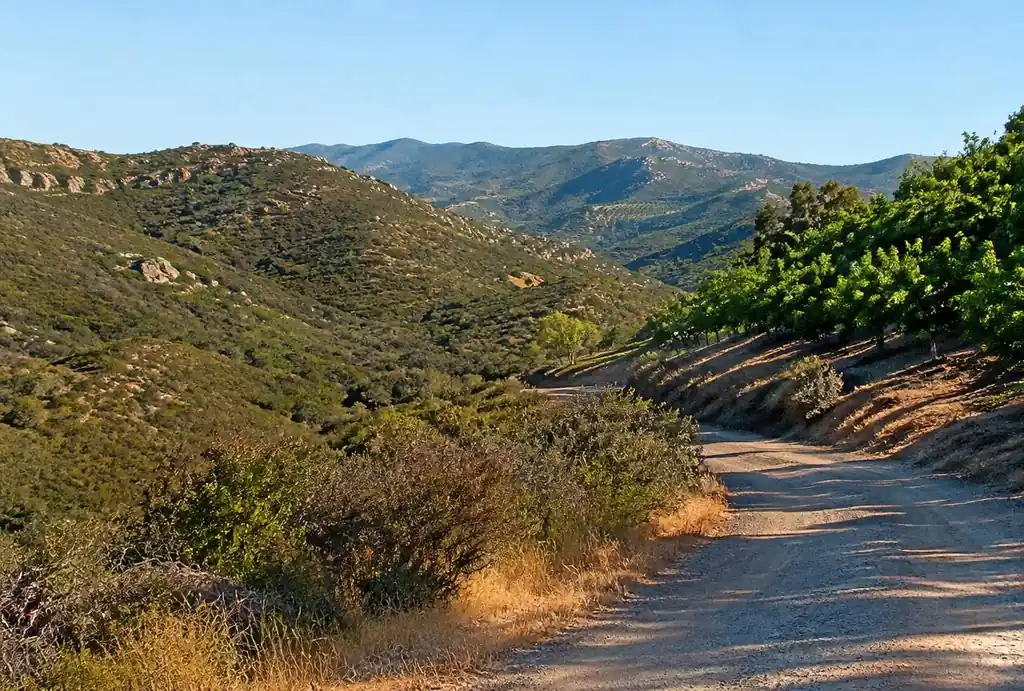
California backcountry acreage with chaparral hills and an orchard road

Sell Land in California

Updated November 21, 2026

Explore Selling Options
State
California
Coverage
Questionnaire accepts parcels here
Local market guides
San Diego County →
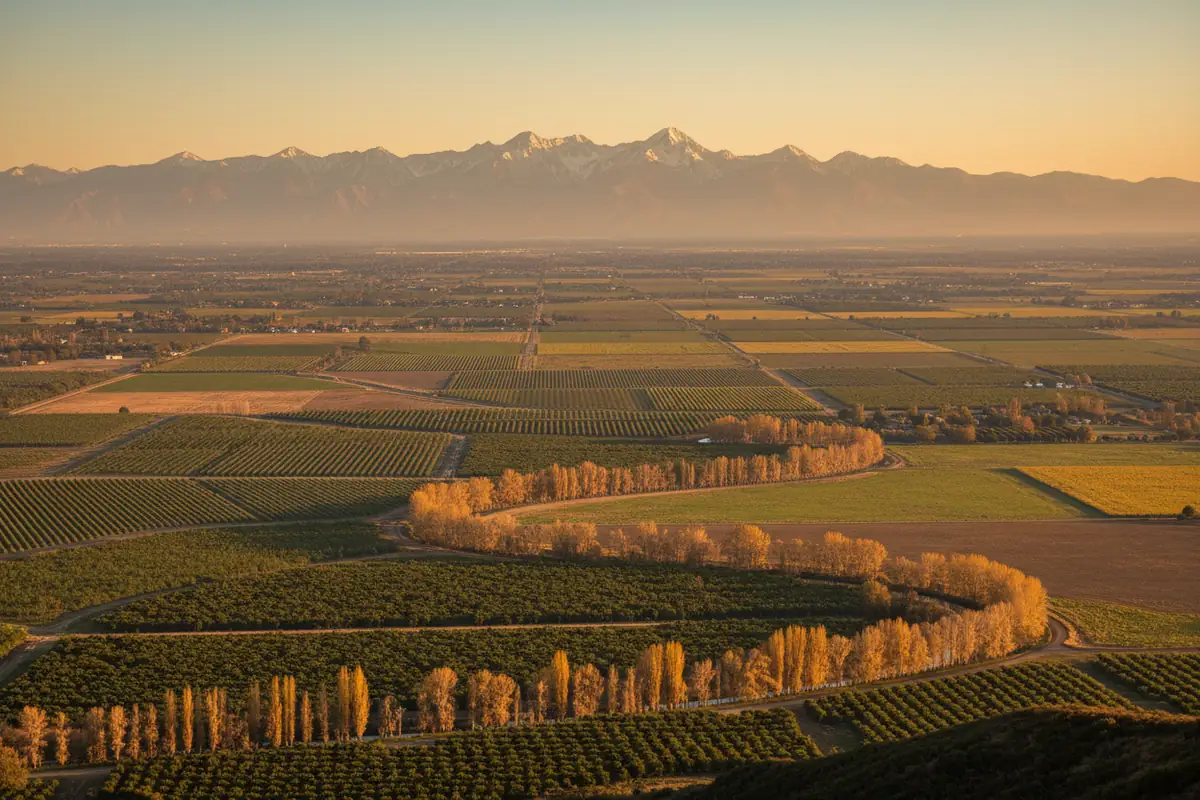
Orchards and open fields across the Central Valley floor toward the distant Sierra Nevada.
Immediate local answer

Selling California land: when a subdivision map must be recorded first, how a Williamson Act contract binds a buyer, and where to check flood and Cortese List status.

On this page
  1. What Decides a Land Sale in California
  2. When Your Land Is a Subdivision Under California Law
  3. Williamson Act Contracts and What They Mean for a Sale
  4. Hazard Zones, the Cortese List, and FEMA Flood Maps
  5. Options for Owners Selling California Land
  6. Tax Considerations When You Sell California Land
  7. Documents and Records That Support a Sale
  8. Frequently asked questions
  9. Sources

If you own land in California and want to sell it, the sale turns on a short list of facts about the parcel: whether it was lawfully divided and mapped, whether a Williamson Act contract binds it, what flood or contamination records show, and how the gain is taxed. Those facts shape who will buy it and on what terms.

You may be holding vacant land, farmland, ranch land, timberland, a recreational parcel or acreage with development potential, perhaps inherited, perhaps managed from another county or another state, and you are trying to understand what stands between you and a clean sale. A buyer will look first at the parcel itself: its legal access and any easements, its zoning and permitted uses, whether utilities reach it, and where its water comes from. This page walks through the California rules that most often decide a land sale, so the questions a buyer asks do not arrive as surprises.

What Decides a Land Sale in California

California land sales run on state law, mainly the Government Code, the Business and Professions Code, the Civil Code and the Revenue and Taxation Code, and those statutes read the same in every county. A county or city adds its own ordinances, zoning and program rules on top. In practice, the questions below apply to your parcel wherever in California it sits, and the local layer is something to confirm with the county or city that governs it.

Four subjects come up on almost every land sale:

  • Subdivision and maps. Whether the parcel was created by a lawful division and whether a required map was recorded.
  • Williamson Act contracts. Whether the land is enrolled in an agricultural conservation contract that will carry over to the buyer.
  • Hazard and contamination records. What flood maps, hazard disclosures and the state's Cortese List show for the site.
  • Tax treatment. How the gain on the sale, or an exchange, is taxed.

Value on land follows the same facts. Legal access, a use the zoning allows, a reachable water source and power, a clean title and survey, and the absence of recorded restrictions tend to widen the field of buyers; a landlocked parcel, an unrecorded division, an enforceable use restriction or a hazard listing tends to narrow it. Water rights and groundwater rules matter to many rural parcels too; they depend heavily on the parcel and its basin, and are a subject for an attorney who handles water questions. How any of this applies to one parcel depends on its facts and the law that applies to them.

When Your Land Is a Subdivision Under California Law

An owner selling one piece of a larger holding, or a lot carved out decades ago, often wonders whether the "subdivision" rules reach them. Government Code section 66424 defines a subdivision as the division, by any subdivider, of any unit or units of improved or unimproved land shown on the latest equalized county assessment roll as a unit or as contiguous units, for the purpose of sale, lease or financing, whether immediate or future. Land counts as contiguous even if roads, streets, utility easements or railroad rights-of-way separate it. For you, this means splitting off part of what the assessment roll shows as your holding, to sell it now or later, can be a subdivision even when nothing is built and even across a road.

Government Code section 66499.30 then sets the sequence. No person may sell, lease or finance a parcel for which a final map or a parcel map is required by state law or local ordinance until that map, in full compliance, has been filed for record by the recorder of the county where any part of the subdivision lies; the same section bars starting construction of buildings for sale, lease or financing, except model homes, or allowing occupancy, before that filing. Conveyances also may not be made by parcel or block number until the map is recorded. Two exceptions matter: the rule does not apply to parcels sold or offered in compliance with, or exempt from, the subdivision laws in effect when the subdivision was established, and it does not prohibit an offer or contract that is expressly conditioned on approval and filing of the map. In practice, a sale of a newly created parcel can be signed, but only conditioned on the map, and cannot close before the map is recorded.

A separate statute governs larger offerings. Business and Professions Code section 11000 defines "subdivided lands" as land in California divided or proposed to be divided for sale, lease or financing into five or more lots or parcels, generally excluding lots of not less than 160 acres designated by government survey and shown on the current assessment roll, unless they are divided for sale for oil and gas purposes. For an owner considering a sale of acreage in five or more pieces, this definition is the threshold that brings that law into play.

Whether a given parcel falls under any of these rules depends on how title is held, when and how the parcel was created, and what the county's records show, facts an attorney reviews against the deeds and maps.

Williamson Act Contracts and What They Mean for a Sale

The California Department of Conservation's Williamson Act Program page says the Williamson Act, also called the California Land Conservation Act of 1965, lets local governments enter into contracts with private landowners to restrict specific parcels to agricultural or related open space use, and in return landowners receive property tax assessments much lower than normal because they are based on farming and open space uses rather than full market value. The same page says participating counties and cities set their own rules for the Act, including enrollment guidelines, acreage minimums, enforcement procedures, allowable uses and compatible uses.

Government Code section 51243 requires every such contract to exclude uses other than agricultural and compatible uses for the contract's duration, and to be binding upon, and inure to the benefit of, all successors in interest of the owner. For your sale, this means the contract does not end when you sell: the buyer steps into it, so a buyer planning a nonagricultural use will price the restriction in, while a buyer who wants to farm or graze may see the lower assessment as part of the appeal.

The same section addresses divided land. When contracted land is divided, the owner of any parcel may exercise the original contract rights independently, including giving notice of nonrenewal and petitioning for cancellation, and that action does not affect the contract as it applies to the remaining parcels. Generally, when a city annexes contracted land, the city succeeds to the county's rights and duties under the contract. If you sell part of an enrolled ranch, each resulting parcel carries the contract, but each owner can act on it separately.

The contract itself, and the county or city that signed it, are the places to confirm enrollment; the Department's page also points to its Williamson Act Enrollment Finder mapping tool.

Hazard Zones, the Cortese List, and FEMA Flood Maps

California law requires a seller of real property to disclose certain natural hazards and other material facts about it. The specific Civil Code requirements, including whether a Natural Hazard Disclosure Statement applies to a particular sale and any exemptions, are a question for a real estate attorney or the agent handling the transaction. Those duties are the same whoever the buyer is: a direct or cash sale, or a sale "as-is" (meaning the buyer accepts the property's present condition), does not change what must be disclosed. Gathering hazard information early is therefore part of any sale path, not only a listed one.

Flood risk. FEMA's Flood Maps page says any place with a 1% or higher chance of flooding each year is considered high risk, and that those areas have at least a one-in-four chance of flooding during a 30-year mortgage. The page names the FEMA Flood Map Service Center as the official online location for flood hazard mapping products under the National Flood Insurance Program, and says flood maps help mortgage lenders determine insurance requirements. A high-risk designation on your parcel can shape a financed buyer's insurance costs, and so the pool of buyers.

Contamination. The Department of Toxic Substances Control's Cortese List page describes the Hazardous Waste and Substances Sites (Cortese) List as a planning document that the state, local agencies and developers use to comply with the California Environmental Quality Act by providing information on the location of hazardous materials release sites. The page says DTSC supplies part of the list through its EnviroStor database and other state and local agencies supply the rest. A parcel on or near a listed site will draw closer review, especially from a development buyer.

Options for Owners Selling California Land

Owners preparing to sell often feel pulled between finishing every survey and study first and simply getting the parcel to market. Each path below carries its own tradeoffs, and none is the answer for every parcel.

Listing with a real estate agent. An agent markets the land to the open market, handles showings and negotiation, and is paid a commission at closing. Broad exposure can bring more competing buyers; the cost is the commission and the time the market takes.

Selling by owner. Without an agent, the owner handles marketing, buyer questions, negotiation and paperwork. There is no listing commission, but the work, and the job of answering a buyer's questions about maps, access and contracts, falls on the owner.

Selling directly to a buyer who pays cash and takes the land as it is. Such a sale usually involves fewer contingencies and no wait for a buyer's loan approval. The tradeoff: a direct offer often comes in below what the open market might bring, because that buyer absorbs the unresolved issues, the risk and the cost of reselling. What the seller gains is less preparation, fewer showings and less dependence on a lender. The disclosure duties above apply either way.

Seller financing or a land contract. The owner carries the financing and the buyer pays over time. That can widen the buyer pool and produce interest income, but it means an ongoing relationship, the risk of a buyer's default, and terms typically drafted by an attorney; the tax treatment of payments over time is a question for a tax professional.

Comparing written offers by estimated net proceeds, meaning the price less commissions, any repair or preparation work, carrying costs, loan payoffs and closing costs, is one way an owner can tell which path fits. You can request a land sale options consultation from Silver Lining Land Buyers through the form on this site. If co-owners disagree about selling, or a dispute has been filed, that contested matter is a different subject handled by an attorney.

Tax Considerations When You Sell California Land

Gain on the sale. Gain on land held as an investment or for a business use is generally a taxable subject at both the federal and California levels, and how much is owed depends on the owner's basis, how the land was acquired (purchase, gift or inheritance), how long it was held and how it was used. A CPA, an enrolled agent or a tax attorney reviews those facts; this page does not state rates or whether a sale owes tax.

State withholding. California's Franchise Tax Board runs a real estate withholding program that can apply to some sales, depending on the seller and the transaction. The FTB publishes the current rules, rates and forms, and a tax professional can say whether they reach a particular sale.

Exchanges. A like-kind exchange is a federal tax arrangement in which an owner of investment or business real property reinvests sale proceeds in other qualifying property to defer recognizing gain. It has strict requirements and timing, and whether a land sale qualifies depends on how the property was held and used, a question for a tax professional before the sale is signed.

Documents and Records That Support a Sale

The practical next step across all four subjects is usually paperwork. On the owner's side, that means the vesting deed, any Williamson Act contract, prior surveys and recorded maps, and a preliminary title report. On the public-records side, it means the county recorder's records, the Department of Conservation's enrollment finder, the FEMA map for the parcel and the Cortese List. Having these in hand lets the questions a buyer raises about title, maps, contracts and hazards be answered from the record.

Seller questionnaire

Curious what your options are? Start with six short questions.

Answer six short questions about your land — type, acreage, location, access, timeline — to explore your selling options.

Seller guides

  1. Understand value

    Access, water, soils, zoning and entitlements shape what buyers will pay.

  2. Match the right buyer

    A ranch buyer and a homebuilder value the same acres differently.

  3. Local context

    County rules matter. See our California and San Diego County guides.

Explore Selling Options
What type of land are you selling?
Approximately how many acres?

Where is the property?

How is the property accessed?
Utilities available (select all that apply)
When would you like to sell?

How can we reach you?

See our Privacy Policy and Terms.

Testimonials

The parcel had access questions and no utilities. I appreciated an offer that accounted for that.

M.K., Minneapolis, MN

Explore your selling options

Answer a few questions about your parcel.

Start the questionnaire

Frequently asked questions

What is a subdivision under California law, and does it affect my land sale?

It can, if you are creating a new parcel to sell. A division of land for sale, lease or financing is a subdivision under the Government Code, and a newly created parcel that needs a map cannot be sold until that map is recorded, though a contract conditioned on the map can be signed earlier.

What is a Williamson Act contract, and does it transfer to a new owner?

Yes, it transfers. The contract restricts the land to agricultural and compatible uses in exchange for a lower assessment, and it binds every successor in interest, so a buyer takes the land subject to it along with the owner's rights under the contract.

If I sell only part of my enrolled land, what happens to the contract?

Each resulting parcel stays under the contract, but each owner can act independently. One owner's notice of nonrenewal or petition for cancellation does not affect the contract on the remaining parcels, which matters when neighbors end up holding different pieces of a former ranch.

What disclosures does a California land seller owe?

A seller owes the hazard and material-fact disclosures California law requires, and those duties do not shrink because the buyer pays cash or accepts the land as-is. FEMA flood maps and the Cortese List are two public records commonly checked first; an attorney can say exactly what a particular parcel requires, including whether a Natural Hazard Disclosure Statement applies.

Can you sell land for $1?

A price is set between willing parties, but a nominal price changes none of the parcel's legal facts. A recorded Williamson Act contract still binds the buyer, map rules still apply to a new parcel, and disclosure duties remain. The tax effect of a below-market transfer is a question for a CPA or tax attorney.

What does a high-risk flood zone mean for my parcel?

FEMA treats an area with a 1% or higher annual flood chance as high risk. For a seller, the practical effect is on buyers who borrow, because lenders use flood maps to set insurance requirements. FEMA's page also describes a process for requesting a map amendment or revision.

What is a land contract, and what are its downsides for a seller?

A land contract is seller financing: the seller is paid over time instead of at closing. The downsides are a long-running tie to the buyer, the possibility of default and the work of recovering the land if payments stop, which is why the terms are typically written by an attorney.

Sources

Statutes, regulations and court sources

  1. 01Cal. Gov. Code section 66424 · California Legislative Information
  2. 02Cal. Gov. Code section 66499.30 · California Legislative Information
  3. 03Cal. Bus. & Prof. Code section 11000 · California Legislative Information
  4. 04Cal. Gov. Code section 51243 · California Legislative Information

Other sources

  1. 05California Department of Conservation, Williamson Act Program · conservation.ca.gov
  2. 06Federal Emergency Management Agency, Flood Maps · fema.gov
  3. 07California Department of Toxic Substances Control, DTSC's Hazardous Waste and Substances Site List - Site Cleanup (Cortese List) · dtsc.ca.gov